11/03/2026
Sue: a classic reinterpreted for modern life
Trends in design, as in culture, are cyclical. Sometimes they return softened, sometimes reinterpreted, but always charged with a memory that is activated at the first glance. The Sue chair, created by Joan Gaspar for Resol, belongs to this category of objects that evoke a memory. And it is in this gesture that its power lies.
A contemporary look at the forms that never went away
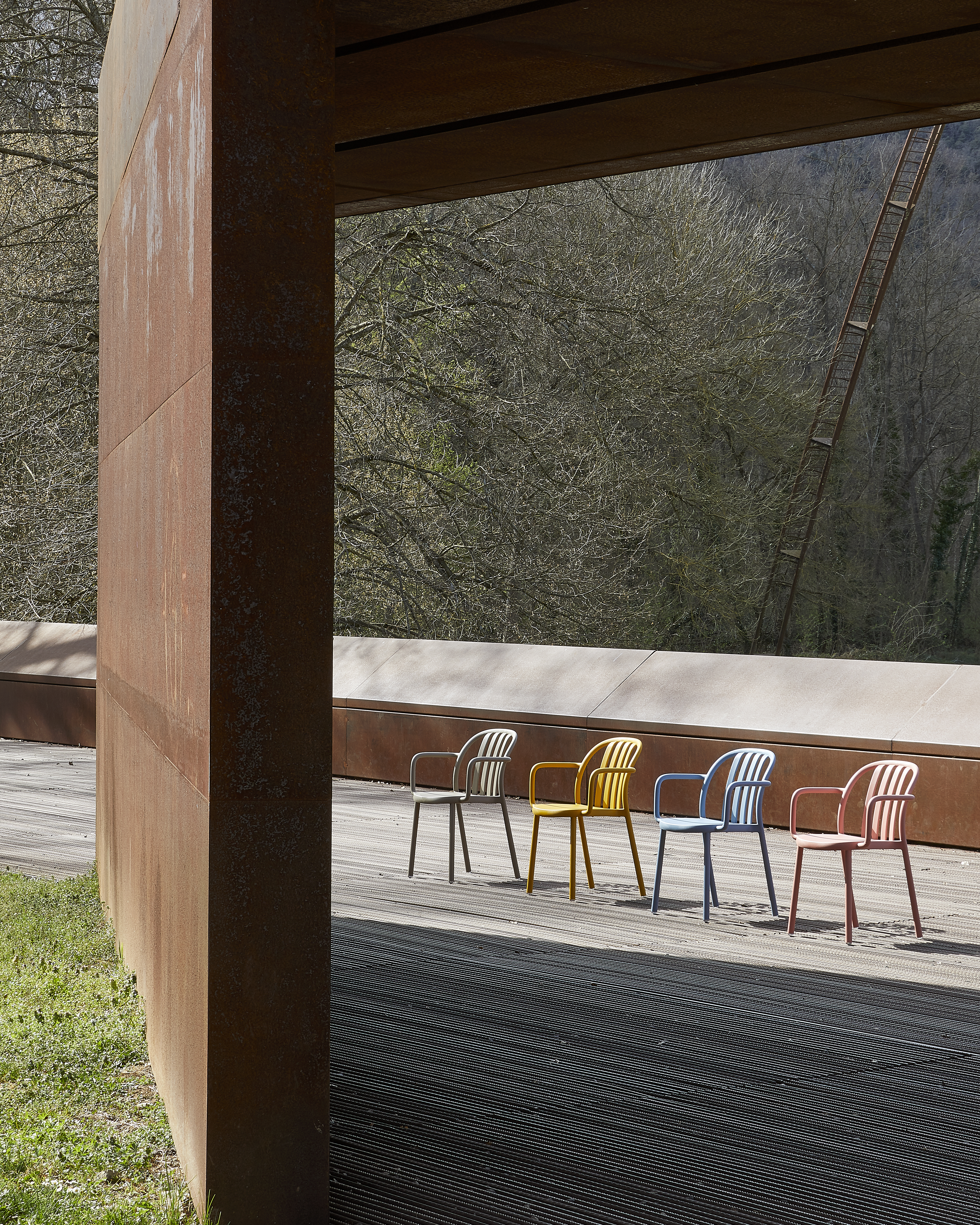
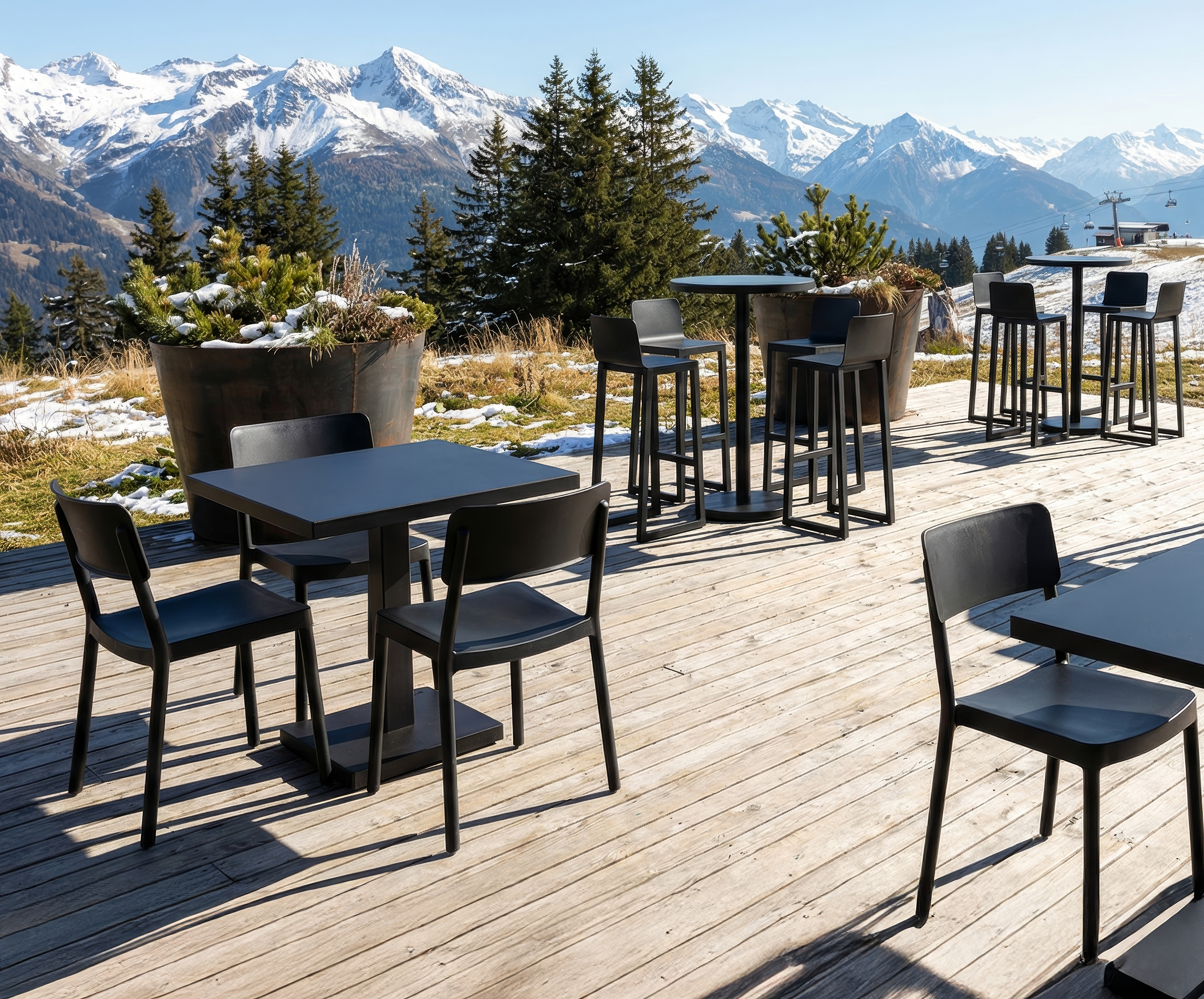
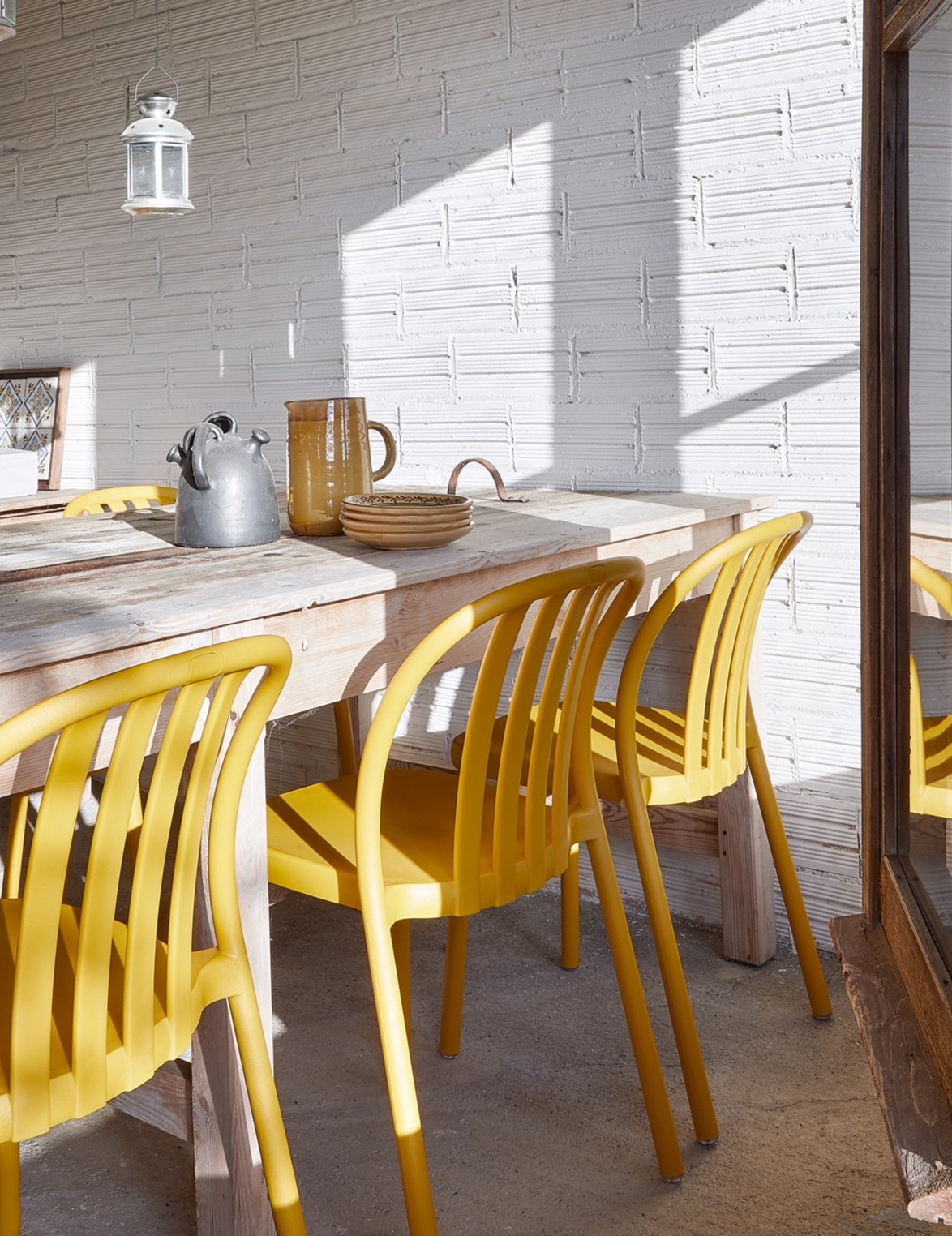
Its lines undisguisedly evoke René Herbst's bistro chairs of the 1950s. That light, rationalist aesthetic that occupied European terraces when modernity was still a promise. The Sue chair takes up that heritage, but shifts it towards a contemporary language: its vertical slat backrest, its friendly silhouette, its formal stillness. It all suggests familiarity with an icon, but without replicating it. It is, in essence, a piece anchored in the present that dialogues with the past from the right distance.
That balance is cultural and aesthetic. At a time when our daily lives are played out between screens, returning to a nostalgic design helps us find a place of comfort. Recognisable forms give us back a sense of presence and the Sue collection responds precisely to that impulse: a chair that could have been in a country house kitchen in the seventies, in a university café in the eighties or on the terrace of a contemporary hotel. It is vintage and contemporary because, above all, it is timeless.
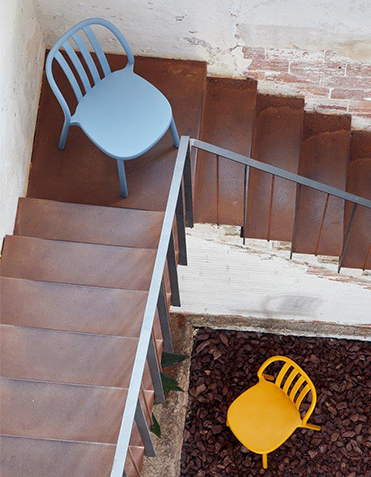
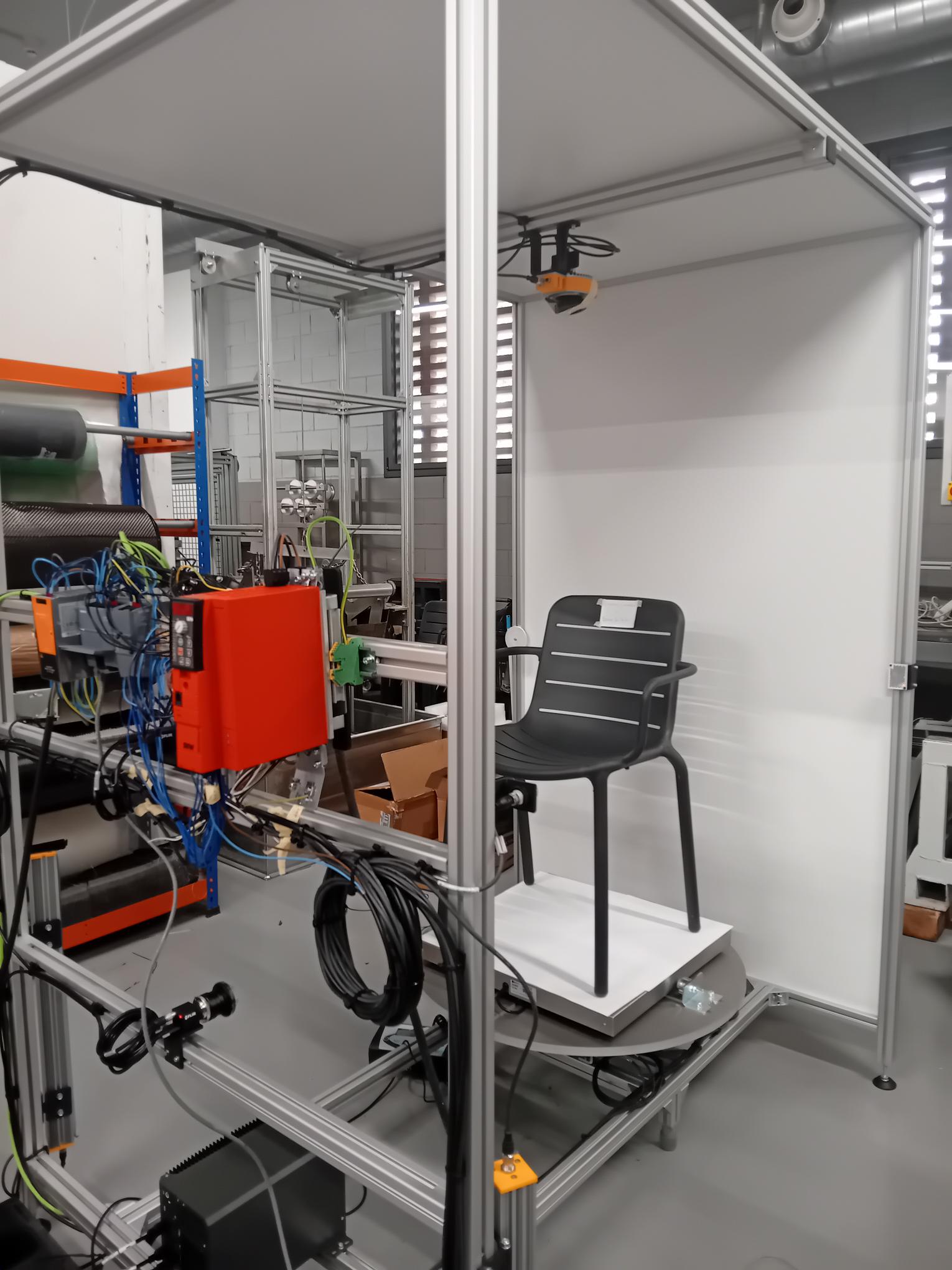
Made of polypropylene and injection-moulded fibreglass, it combines this historical identity with today's criteria of durability and efficiency. Lightweight, resistant, suitable for indoor and outdoor use, protected against UV rays and available in six colours, it fits in with the logic of sustainable furniture and recycled furniture that guides Resol's vision. A piece designed to last in a market accustomed to programmed obsolescence.
The cultural relevance of a reinterpreted classic
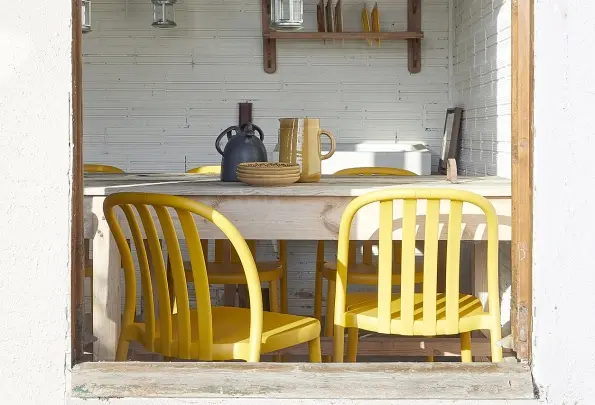
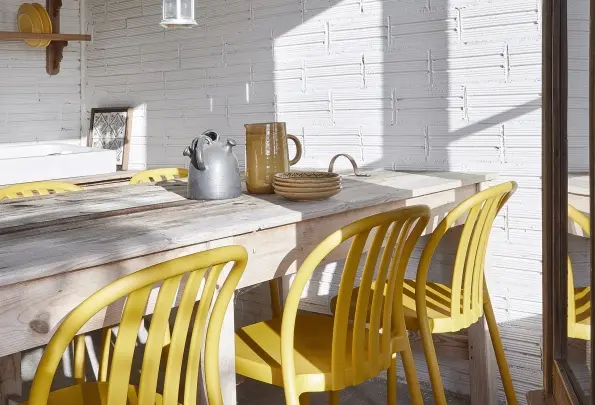
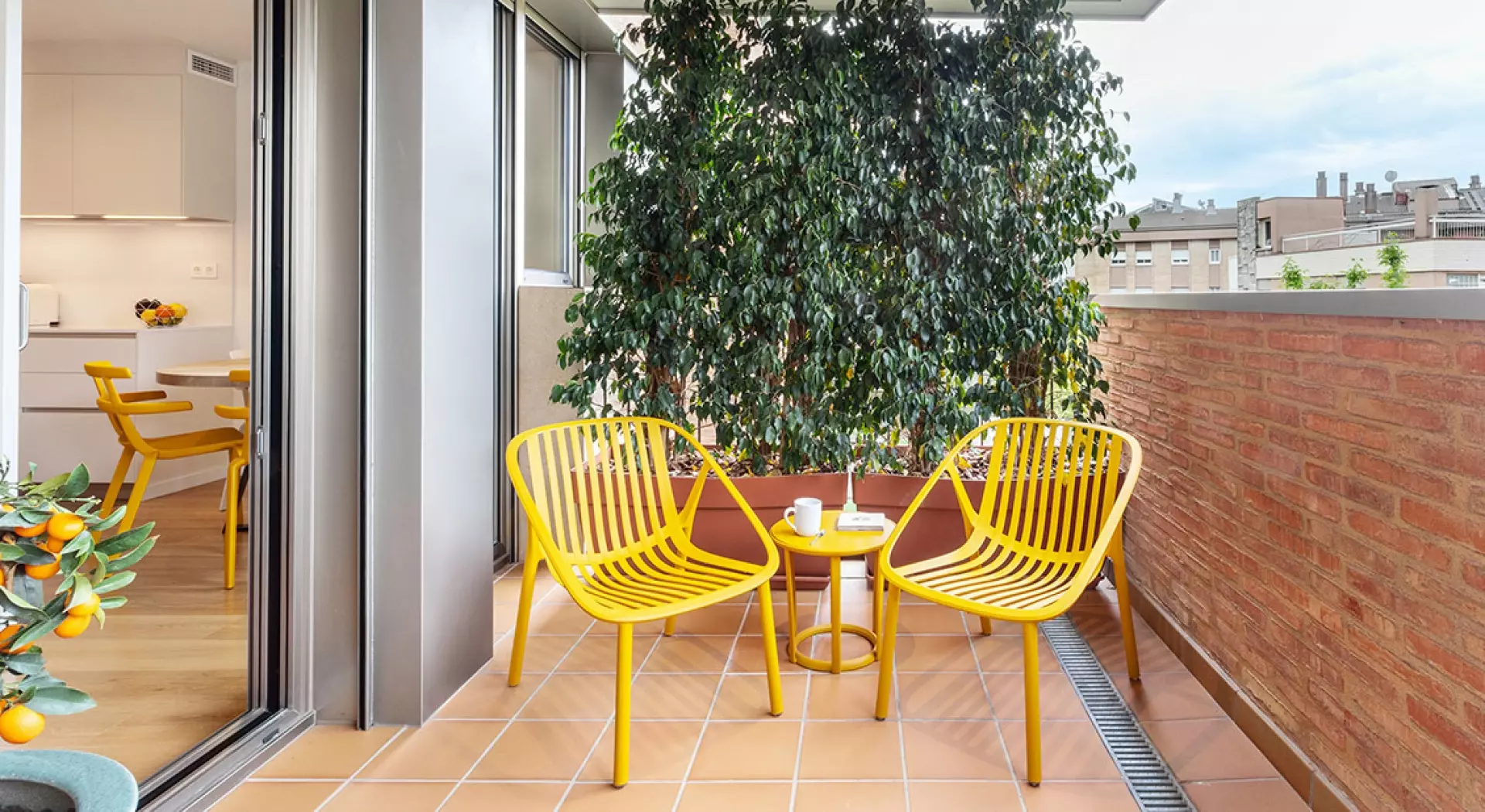
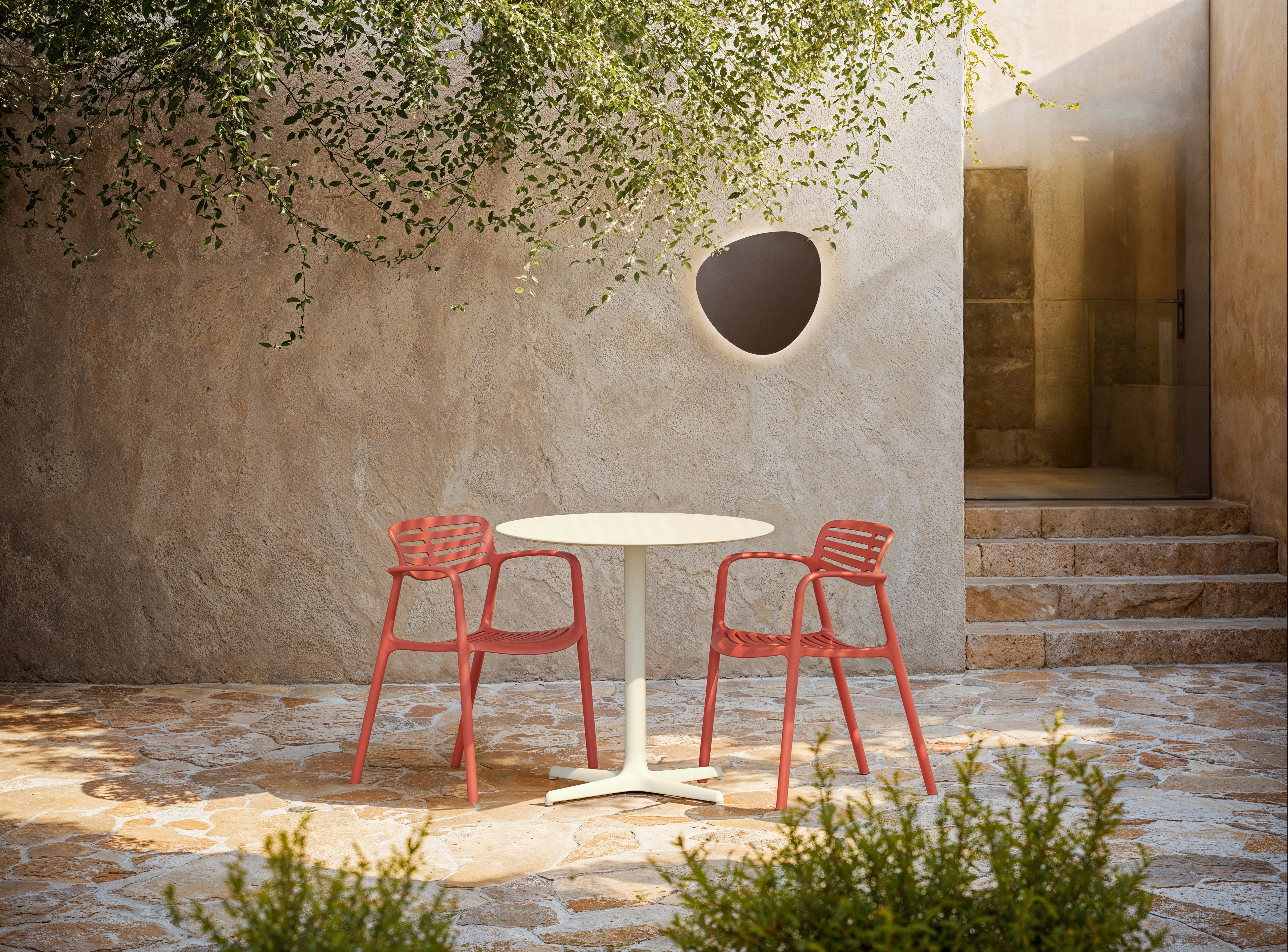
Its use confirms this cultural interpretation. The Sue chair works as a kitchen chair, as a companion on an outdoor terrace from spring to autumn, as a seat for informal restaurants or for those afterworks that call for warm, unpretentious spaces. Its ability to blend in has to do with its memory: its presence reconciles the rural and the urban, the private and the collective, the traditional and the contemporary.
In times of visual excess, Sue opts for the opposite: serenity and clarity. Joan Gaspar has achieved a design that looks to the past with intelligence and understands why we keep returning to certain silhouettes. Because in them we find something that is in short supply: permanence and the unmistakable sensation that there are designs that are already part of our lives.